FREE HOME DELIVERY ON ORDERS OVER £30 • SAME DAY SHIPPING WHEN YOU ORDER BY 12PM
FREE HOME DELIVERY ON ORDERS OVER £30 • SAME DAY SHIPPING WHEN YOU ORDER BY 12PM
FREE HOME DELIVERY ON ORDERS OVER £30 • SAME DAY SHIPPING WHEN YOU ORDER BY 12PM
FREE HOME DELIVERY ON ORDERS OVER £30 • SAME DAY SHIPPING WHEN YOU ORDER BY 12PM
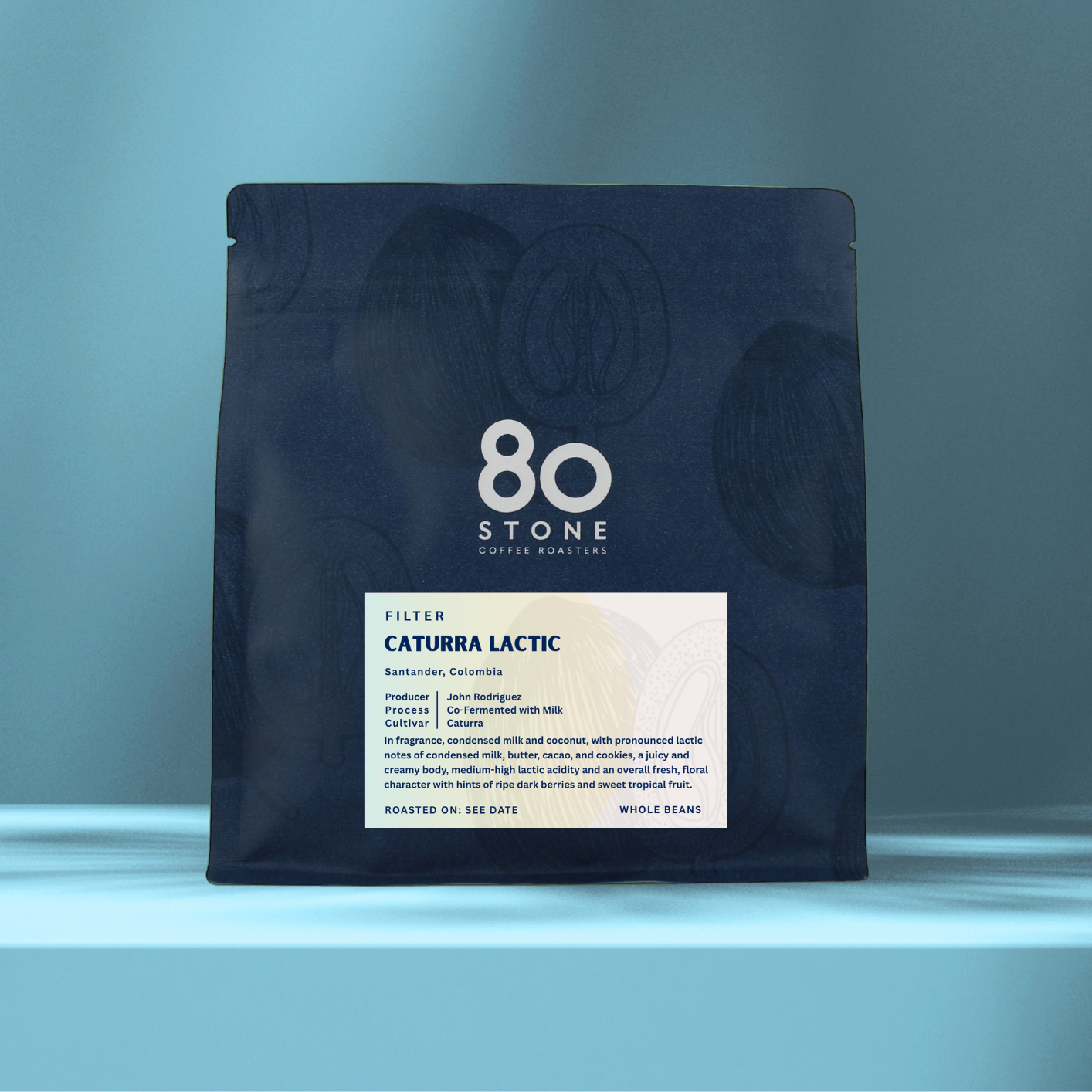
In fragrance, condensed milk and coconut, with pronounced lactic notes of condensed milk, butter, cacao, and cookies, a juicy and creamy body, medium-high lactic acidity and an overall fresh, floral character with hints of ripe dark berries and sweet tropical fruit.
Produced using a fermentation process involving dairy.
An exceptionally rare, unique and experimental coffee, unlike anything we have ever tasted. Best brewed slowly to highlight its delicate sweetness and intricate layers, we recommend pour-over or immersion methods that allow every note to unfold.
As amazing as it tastes, we don’t suggest putting this one anywhere near your espresso machine!
Body
Acidity
Tasting notes
Roast level
For consistent results, we recommend brewing with measured inputs rather than estimating by eye. Always use a digital scale to weigh both your coffee dose and water. As a baseline, use a brew ratio of 60–70g of coffee per litre (1000g) of water. This range can be adjusted depending on the brewing method, water composition, and the specific coffee you’re working with. Control your variables, make small adjustments, and use taste to guide your final recipe.
Consistency in espresso comes from working within the parameters of your equipment. Use the dose recommended for your basket (usually marked on the side or provided by the manufacturer) and keep it consistent. As a starting point, aim for a brew ratio of around 1:2 — for example, 18g of coffee yielding 33–35g of espresso in the cup. Target an extraction time of 22–30 seconds, with a brew water temperature between 93–95°C. From there, adjust grind size to control flow and use taste to fine-tune the result.
For method-specific guidance, you can find all of our brew guides here.
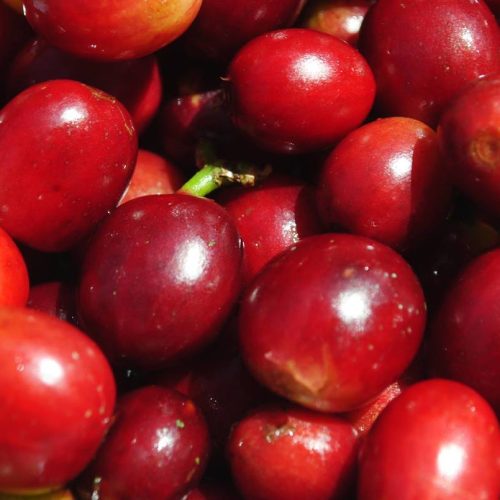
The Caturra de Leche coffee is developed through a controlled co-fermentation process, in which two independent fermentations are carried out: a lactic fermentation and an yeast fermentation. Both processes are conducted separately and then later combined to form the final coffee profile.
Lactic fermentation
The lactic fermentation is carried out using lactic acid bacteria previously isolated from the same coffee during earlier microbiological processes.
This stage takes place under anaerobic conditions (absence of oxygen) to favour the activity of lactic bacteria. During this phase, milk is added, which contributes to the development of compounds that enhance the formation of lactic acid and aromatic precursors, resulting in creamier and more complex sensory profiles.
Yeast fermentation
The yeast fermentation is carried out using yeasts of the species Saccharomyces cerevisiae, also previously isolated from the same coffee.
This process takes place over approximately 3 days in plastic containers (drums), where the yeasts transform the sugars present in the coffee mucilage into alcohols, esters, and other aromatic compounds that contribute to the development of the sensory profile.
Integration of the processes
Once both fermentations are completed, the two processes are carefully blended, allowing the aromas and flavours developed in each fermentation to interact. This integration helps create a distinctive sensory profile characterised by milky notes, sweetness, and complex fermentative characteristics.
Always the best choice. Grind at home for maximum freshness and full control over your coffee.
Our coarsest grind. Ideal for Cafetiere, Chemex, Cold Brew, and Batch Brew.
Works well for cone brewers like V60, and flat-bottom brewers like Kalita or other pour-over brewers.
A finer grind suited to Moka pots, AeroPress, and most domestic espresso machines with pressurised baskets.
Very fine and intended for commercial espresso machines. For best results, grinding fresh is recommended.