FREE HOME DELIVERY ON ORDERS OVER £30 • SAME DAY SHIPPING WHEN YOU ORDER BY 12PM
FREE HOME DELIVERY ON ORDERS OVER £30 • SAME DAY SHIPPING WHEN YOU ORDER BY 12PM
FREE HOME DELIVERY ON ORDERS OVER £30 • SAME DAY SHIPPING WHEN YOU ORDER BY 12PM
FREE HOME DELIVERY ON ORDERS OVER £30 • SAME DAY SHIPPING WHEN YOU ORDER BY 12PM
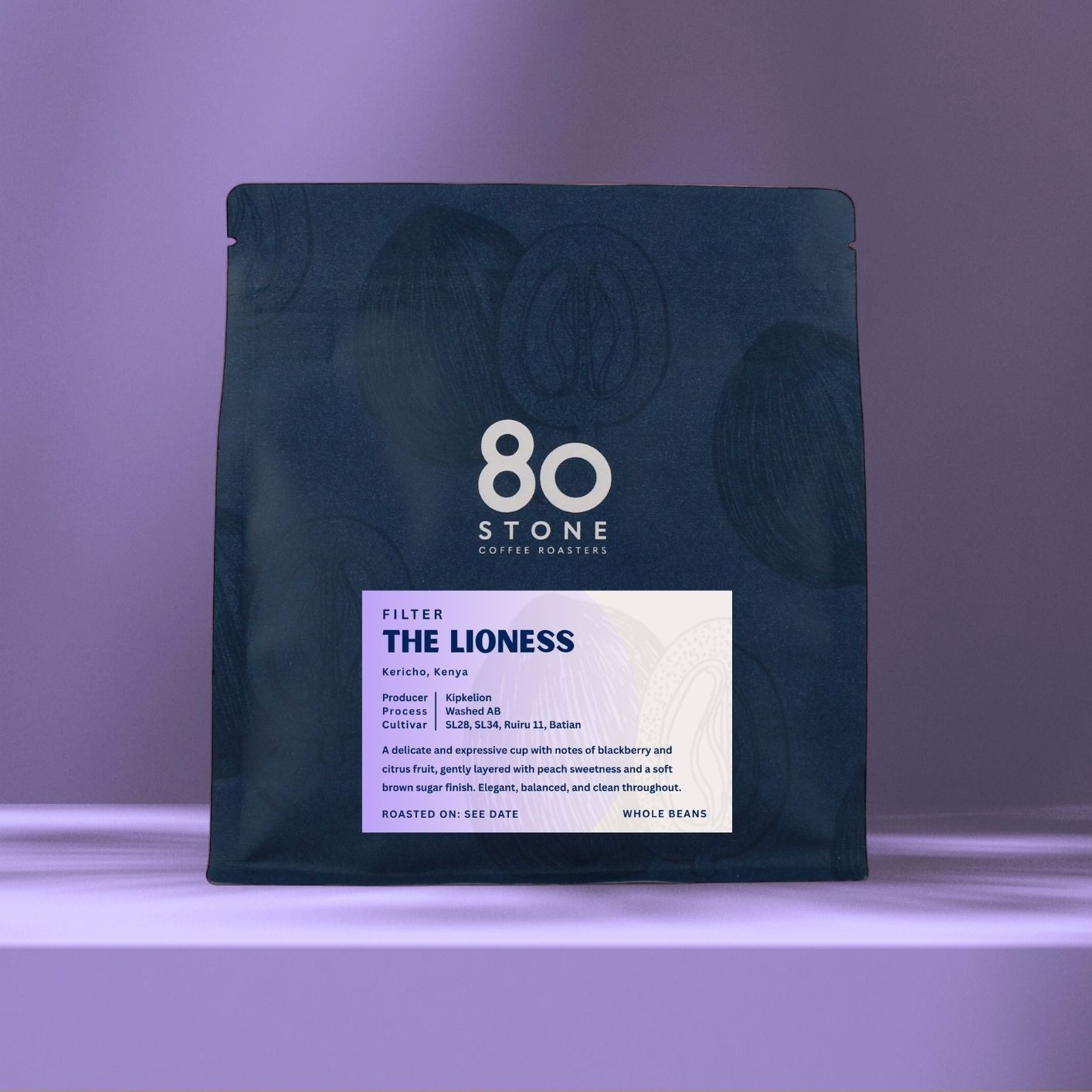
This coffee is naturally sweet and fruit-forward, with a soft, comforting profile that really shines when brewed gently.
We recommend using manual methods such as V60, cafetière, or batch brew to highlight its clarity and sweetness. On V60, a simple two-pour approach works beautifully: use 18g coffee to 280g water (around a 1:15.5 ratio), aiming for a total brew time of approximately 2:30 for a clean, balanced cup.
Body
Acidity
Tasting notes
Roast level
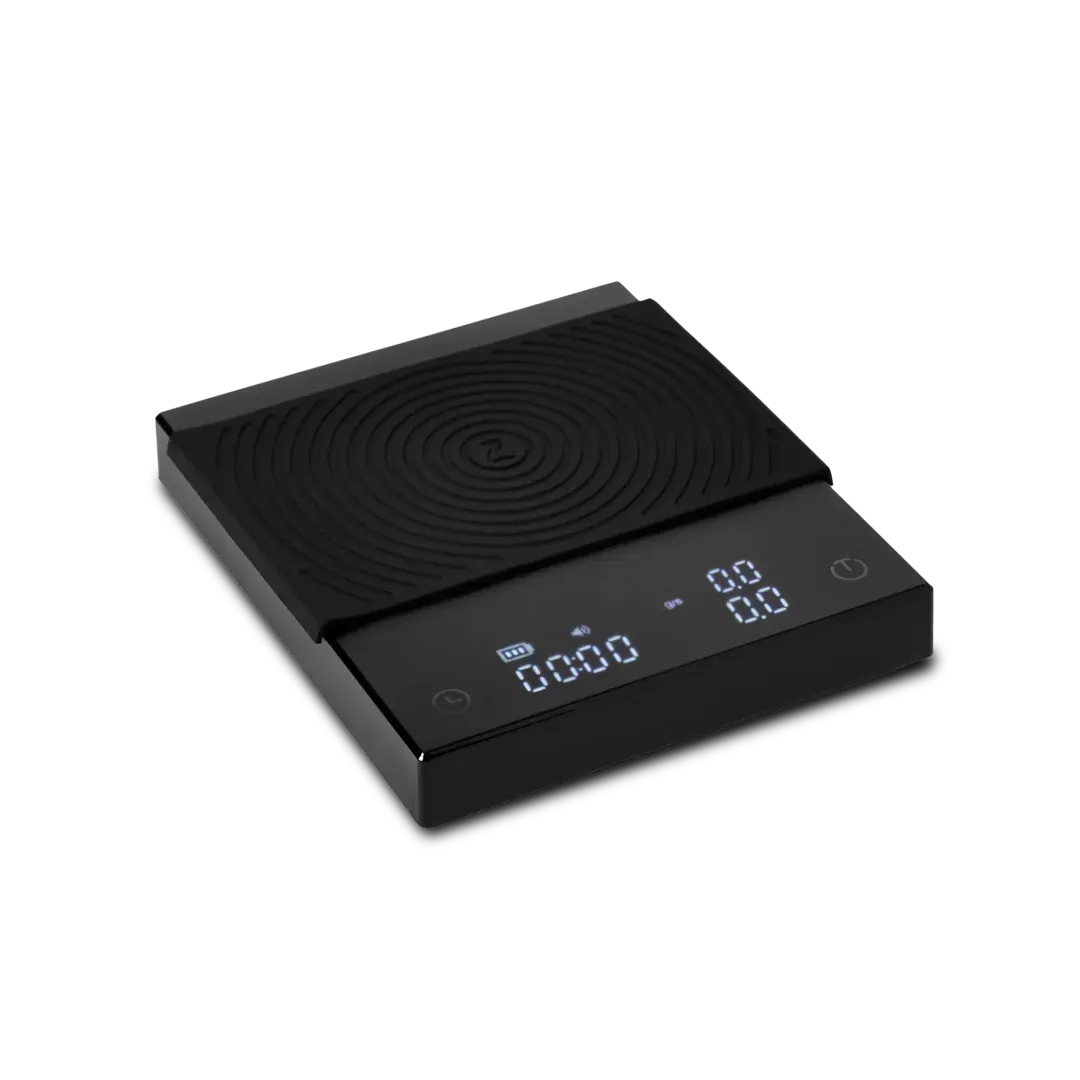
For consistent results, we recommend brewing with measured inputs rather than estimating by eye. Always use a digital scale to weigh both your coffee dose and water. As a baseline, use a brew ratio of 60–70g of coffee per litre (1000g) of water. This range can be adjusted depending on the brewing method, water composition, and the specific coffee you’re working with. Control your variables, make small adjustments, and use taste to guide your final recipe.
Consistency in espresso comes from working within the parameters of your equipment. Use the dose recommended for your basket (usually marked on the side or provided by the manufacturer) and keep it consistent. As a starting point, aim for a brew ratio of around 1:2 — for example, 18g of coffee yielding 33–35g of espresso in the cup. Target an extraction time of 22–30 seconds, with a brew water temperature between 93–95°C. From there, adjust grind size to control flow and use taste to fine-tune the result.
For method-specific guidance, you can find all of our brew guides here.
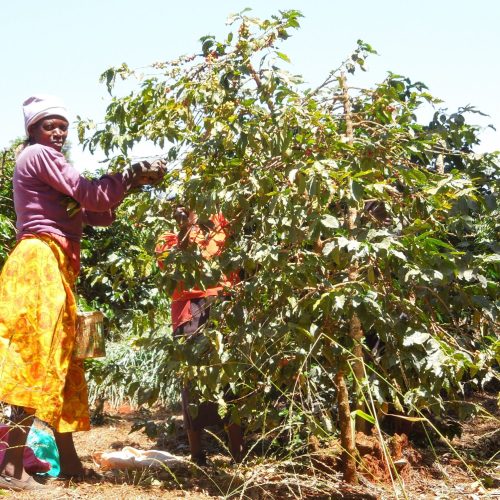
Kipkelion coffee hails from the highlands of Kenya’s Rift Valley—historically one of the country’s most economically important regions. Kipkelion itself lies in the southern part of the Rift Valley, just south of the Equator.
This area is renowned for producing specialty-grade Arabica. The soils, formed by now-extinct volcanoes, combined with high altitude, create the conditions that Kenyan coffee is known for. While nearby Kericho County is more widely associated with high-quality tea production, Kipkelion has built a strong reputation for coffee.
Coffee here is cultivated by small-scale farmers using sustainable and regenerative agricultural practices. Shade-grown coffee is often intercropped with other crops alongside dairy farming, and organic manure is used to reduce reliance on inorganic fertilisers. Rainfall is relatively consistent at around 1500–1800mm per year, typically across two rainy seasons, resulting in two harvest periods.
Kipkelion’s farming community places a strong emphasis on agroecology, leadership development, and data-driven traceability. Farmers are organised into groups to support knowledge sharing and the adoption of improved practices. Initiatives such as water retention systems help mitigate the effects of climate change and improve long-term sustainability. Annual production averages around 6,000 tonnes.
This coffee is predominantly produced using a fully washed process. Cherries are picked at peak ripeness, then pulped, fermented in tanks, and soaked for around 24 hours. A small portion of the lot skips the fermentation stage, adding a subtle layer of complexity to the final profile. The parchment is then fully sun-dried on raised beds.
Grading, cleaning, and cupping are carried out at the Kipkelion Coffee Mill.
Kenya’s classic SL varietals remain widespread. Developed in the 1930s by Scott Laboratories, SL28 was selected from a population known as Tanganyika Drought Resistant and is linked to the Bourbon lineage. SL34 was selected in a similar way from French Mission stock at Loresho Estate in Kabete. While French Mission was long believed to be Bourbon-derived, more recent genetic testing suggests it is closer to Typica.
Newer varieties such as Ruiru 11 and Batian are composite varieties—bred by combining multiple lines to improve disease resistance and yield. These typically include genetics from Sudan Rume, K7, N39, Catimor, among others.
Always the best choice. Grind at home for maximum freshness and full control over your coffee.
Our coarsest grind. Ideal for Cafetiere, Chemex, Cold Brew, and Batch Brew.
Works well for cone brewers like V60, and flat-bottom brewers like Kalita or other pour-over brewers.
A finer grind suited to Moka pots, AeroPress, and most domestic espresso machines with pressurised baskets.
Very fine and intended for commercial espresso machines. For best results, grinding fresh is recommended.