FREE HOME DELIVERY ON ORDERS OVER £30 • SAME DAY SHIPPING WHEN YOU ORDER BY 12PM
FREE HOME DELIVERY ON ORDERS OVER £30 • SAME DAY SHIPPING WHEN YOU ORDER BY 12PM
FREE HOME DELIVERY ON ORDERS OVER £30 • SAME DAY SHIPPING WHEN YOU ORDER BY 12PM
FREE HOME DELIVERY ON ORDERS OVER £30 • SAME DAY SHIPPING WHEN YOU ORDER BY 12PM
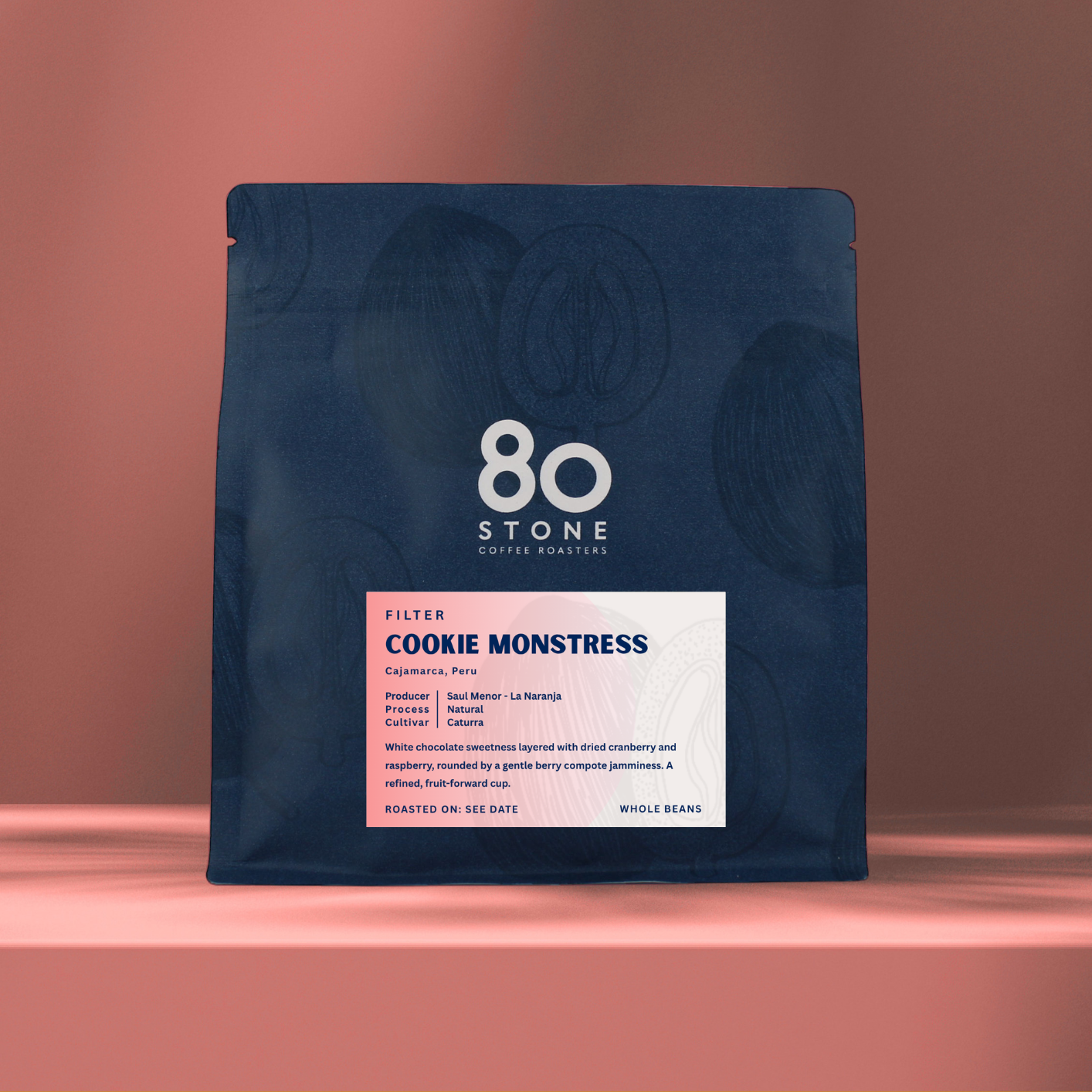
This coffee is naturally sweet and fruit-forward, with a soft, comforting profile that really shines when brewed gently.
We recommend using manual methods such as V60, cafetière, or batch brew to highlight its clarity and sweetness. On V60, a simple two-pour approach works beautifully: use 18g coffee to 280g water (around a 1:15.5 ratio), aiming for a total brew time of approximately 2:30 for a clean, balanced cup.
Body
Acidity
Tasting notes
Roast level
For consistent results, we recommend brewing with measured inputs rather than estimating by eye. Always use a digital scale to weigh both your coffee dose and water. As a baseline, use a brew ratio of 60–70g of coffee per litre (1000g) of water. This range can be adjusted depending on the brewing method, water composition, and the specific coffee you’re working with. Control your variables, make small adjustments, and use taste to guide your final recipe.
Consistency in espresso comes from working within the parameters of your equipment. Use the dose recommended for your basket (usually marked on the side or provided by the manufacturer) and keep it consistent. As a starting point, aim for a brew ratio of around 1:2 — for example, 18g of coffee yielding 33–35g of espresso in the cup. Target an extraction time of 22–30 seconds, with a brew water temperature between 93–95°C. From there, adjust grind size to control flow and use taste to fine-tune the result.
For method-specific guidance, you can find all of our brew guides here.
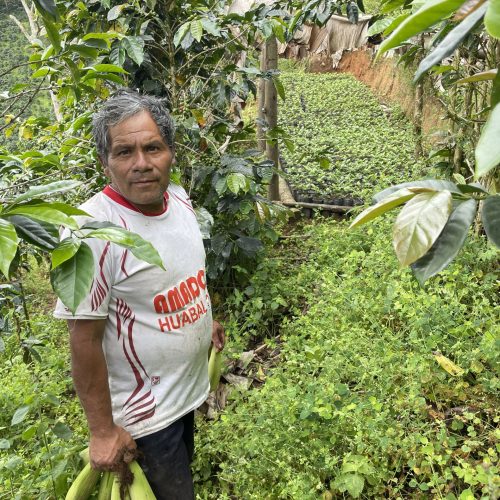
Saul Menor is a first-generation coffee farmer who owns a 4-hectare farm in San Francisco village, Huabal district, near Jaén. Originally from Cajamarca and from a potato farming family, Saul moved to Jaén at a young age and invested his savings into coffee production.
While he has consistently produced strong volumes, his recent focus has shifted toward quality improvement and increasing cup scores. He primarily cultivates Caturra at high altitudes, and is also expanding into Geisha and Marshell, a Peruvian variety expected to begin production from 2024.
During harvest, Saul employs 8–10 seasonal workers to selectively pick only ripe cherries. After harvesting, the coffee is floated, pulped, and fermented for 48 hours in ceramic tanks. It is then carefully washed and dried on raised beds or wooden patios for around two weeks before being transported to Jaén for quality analysis at the Chacra Coffee warehouse.
For natural processing, ripe cherries are dried whole under the sun. They are laid in thin layers on raised beds or patios, where they dry over several weeks. During this time, the fruit sugars naturally ferment, developing deeper complexity and fruit-driven flavours. Once the desired moisture level is reached, the dried fruit is removed to reveal the green coffee beans. This method is known for producing expressive, fruit-forward coffees that highlight Peru’s unique terroir and varietals.
Peruvian Caturra stands out within Latin America, showing a distinct profile that may be linked to its unique development in Peru, though formal genetic analysis is still pending. It is noted for its smaller bean size and highly aromatic cup character, setting it apart from Central American Caturra.
In the cup, Peruvian Caturra is defined by stone fruit sweetness, delicate florals, and bright citrus acidity. This combination creates a vibrant, elegant profile that is highly regarded by cuppers and coffee enthusiasts alike, reinforcing its reputation as a distinctive and high-quality variety within Peru’s diverse coffee landscape.
Always the best choice. Grind at home for maximum freshness and full control over your coffee.
Our coarsest grind. Ideal for Cafetiere, Chemex, Cold Brew, and Batch Brew.
Works well for cone brewers like V60, and flat-bottom brewers like Kalita or other pour-over brewers.
A finer grind suited to Moka pots, AeroPress, and most domestic espresso machines with pressurised baskets.
Very fine and intended for commercial espresso machines. For best results, grinding fresh is recommended.