Coffee That Does Good
Our Bit For The Environment
Sustainability
At 80 Stone Coffee Roasters, sustainability isn’t a marketing exercise — it’s part of how we work, every day. We don’t claim to have all the answers, and we’re certainly not perfect. What we do aim for is progress: making thoughtful decisions at every stage of roasting, packing and supplying coffee, and constantly questioning how we can do things better.
Good coffee depends on healthy environments, strong communities and long‑term thinking. That belief shapes how we source our coffees, how we run our roastery, and how we design the products you brew at home or serve to your customers.
Packaging & Everyday Decisions
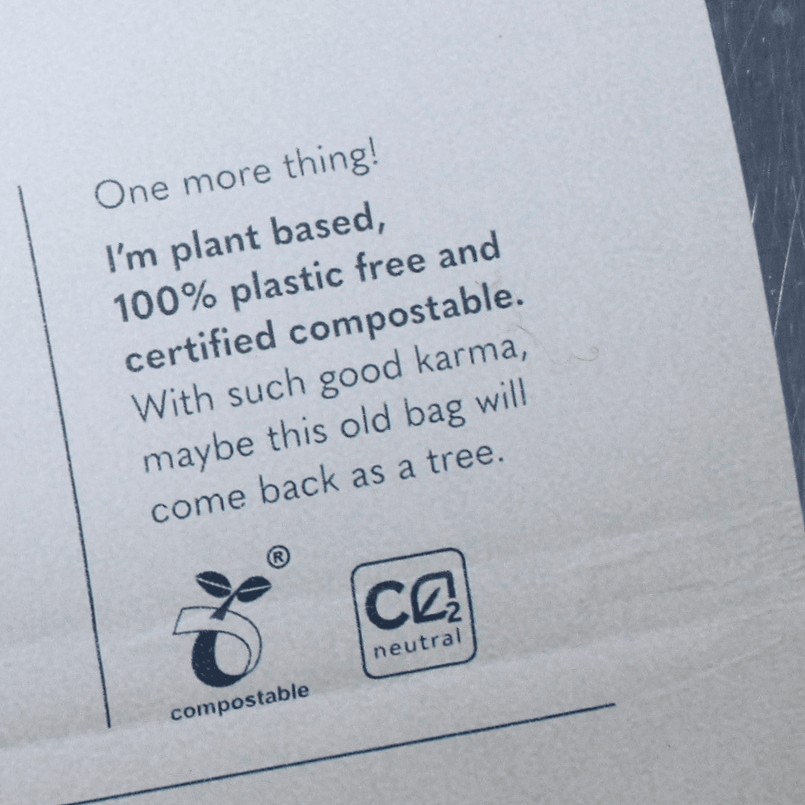
Packaging is one of the biggest challenges in coffee, and it’s something we continually review. Our 250g and 1Kg bags are created from plants and are now certified compostable. When we were seeking sustainable options for our coffee bags, using recyclable plastic was one possibility. However, this would have required producing new plastic as recycled ones are not deemed safe for coffee packaging. That’s why we opted for plant based compostable materials as a more environmentally friendly choice to minimise the production of new plastic.
Beyond packaging, sustainability shows up in countless small decisions — recycling, re‑using materials, donating coffee chaff locally, and choosing suppliers who share our values. None of these actions are revolutionary on their own, but together they make a meaningful difference.
What it means for you
Are these bags home or industrially compostable? And what does it mean?
While we use compostable and lower-impact packaging wherever possible, it’s important to be honest: in the UK, facilities that process compostable waste are still limited. This means that not all compostable packaging will end up being composted, depending on local infrastructure. A home compostable material is one that can be added to your household compost bin, where it will decompose alongside your leftover fruits and vegetables, within a 90-day timeframe. In order for packaging to be considered home compostable, all its components, including printed ink and adhesives, must also naturally break down without leaving any harmful substances.
An industrially compostable material necessitates specific conditions for rapid and complete breakdown. Industrial composting facilities simulate a higher temperature environment, accelerating degradation and ensuring complete disappearance of the material without any harmful residues.
Our new 250g and 1Kg bags are certified industrially compostable, which means that after use (remove all labels first), they can be taken to a facility that will break them down and speed up the composting process. While they can still decompose in a home setting, they may not achieve the 90-day benchmark required for home compostability.
In conclusion, compostable materials, whether designed for home or industrial composting, offer a substantial environmental advantage over other packaging options available. Compostable packaging provides assurance that regardless of the disposal method, it will not cause any lasting or harmful effects on the environment.